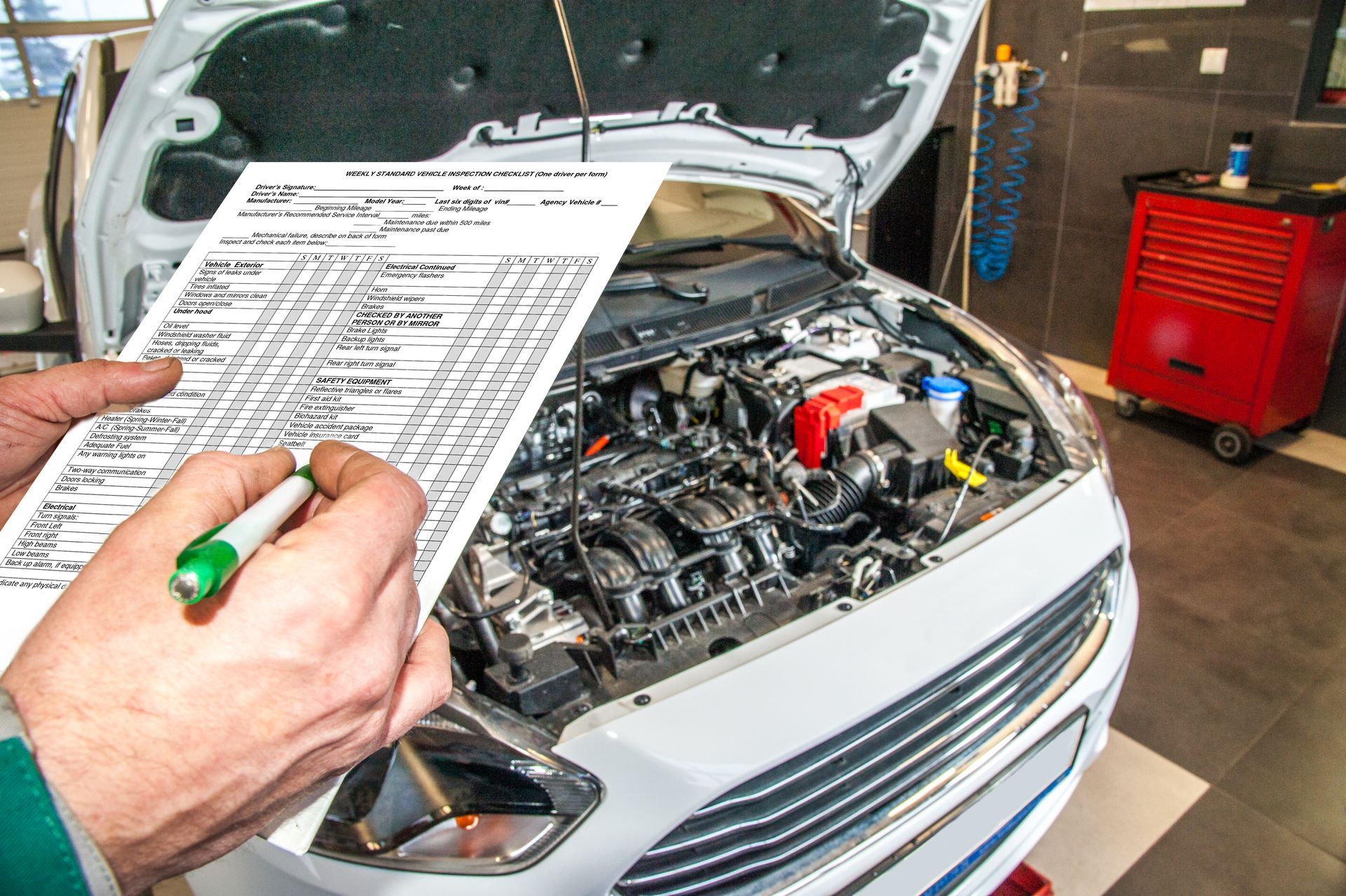
A clean exterior and quiet test drive can make a used car seem well cared for, but the area beneath the hood often tells a more complete story. Fluid residue, brittle hoses, damaged wiring, and poorly installed replacement parts can reveal neglect that is not obvious from the driver’s seat.
You do not need to identify every engine component to notice warning signs. A careful look at the fluids, battery, belts, hoses, wiring, and general condition can help you decide whether the vehicle deserves a professional pre-purchase inspection.
Start With The Overall Engine Bay Condition
An engine compartment does not need to look brand new, especially on a high-mileage vehicle. Light dust and ordinary grime are expected. Heavy oil buildup, wet areas, loose wiring, missing fasteners, or parts secured with tape and zip ties may point toward neglected repairs.
Be cautious if the engine bay was recently pressure-washed. Cleaning is not automatically suspicious, but it can remove fresh evidence of leaks. Look around gasket seams, hose connections, plastic covers, and the lower edges of the engine for moisture that has begun returning.
Check The Engine Oil Level And Condition
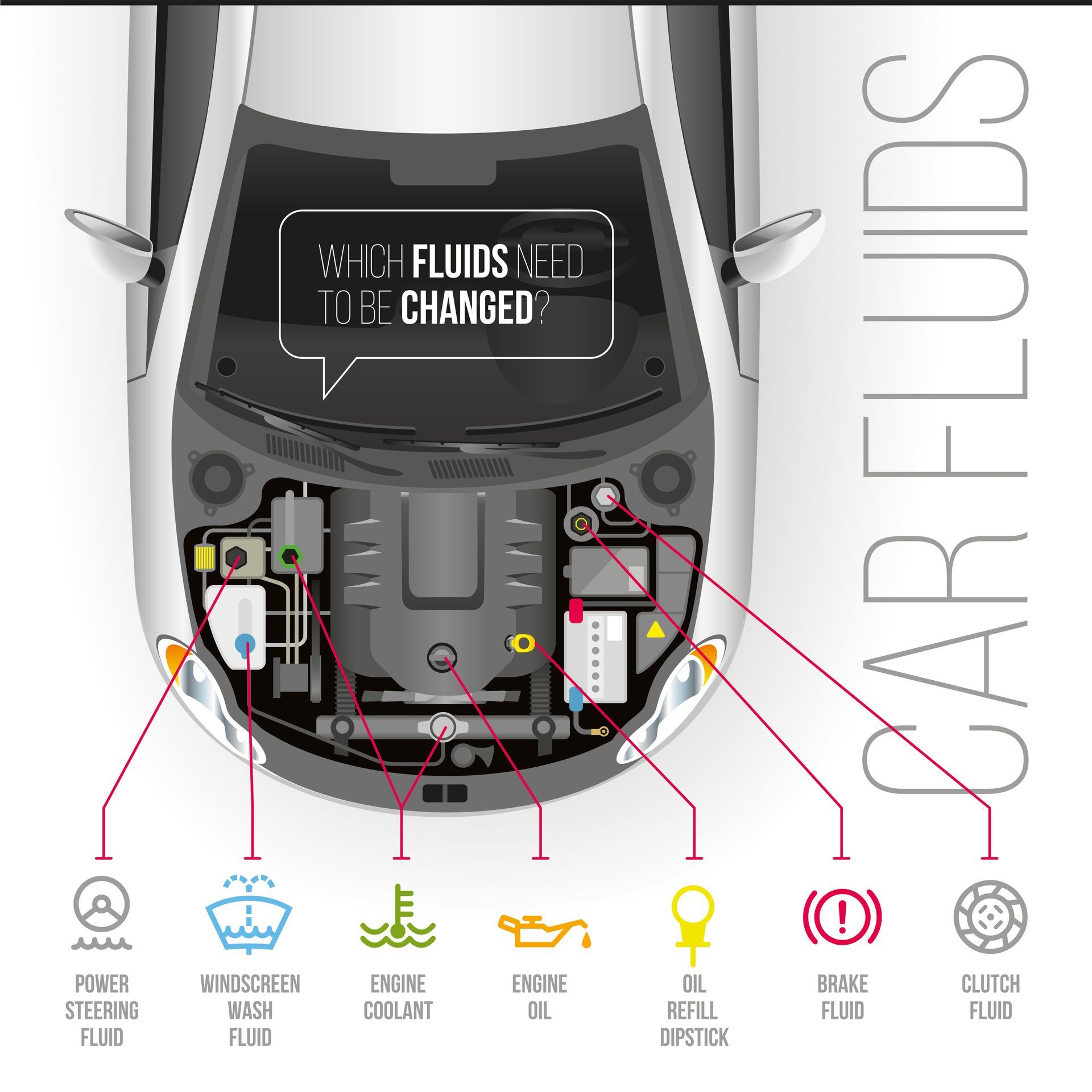
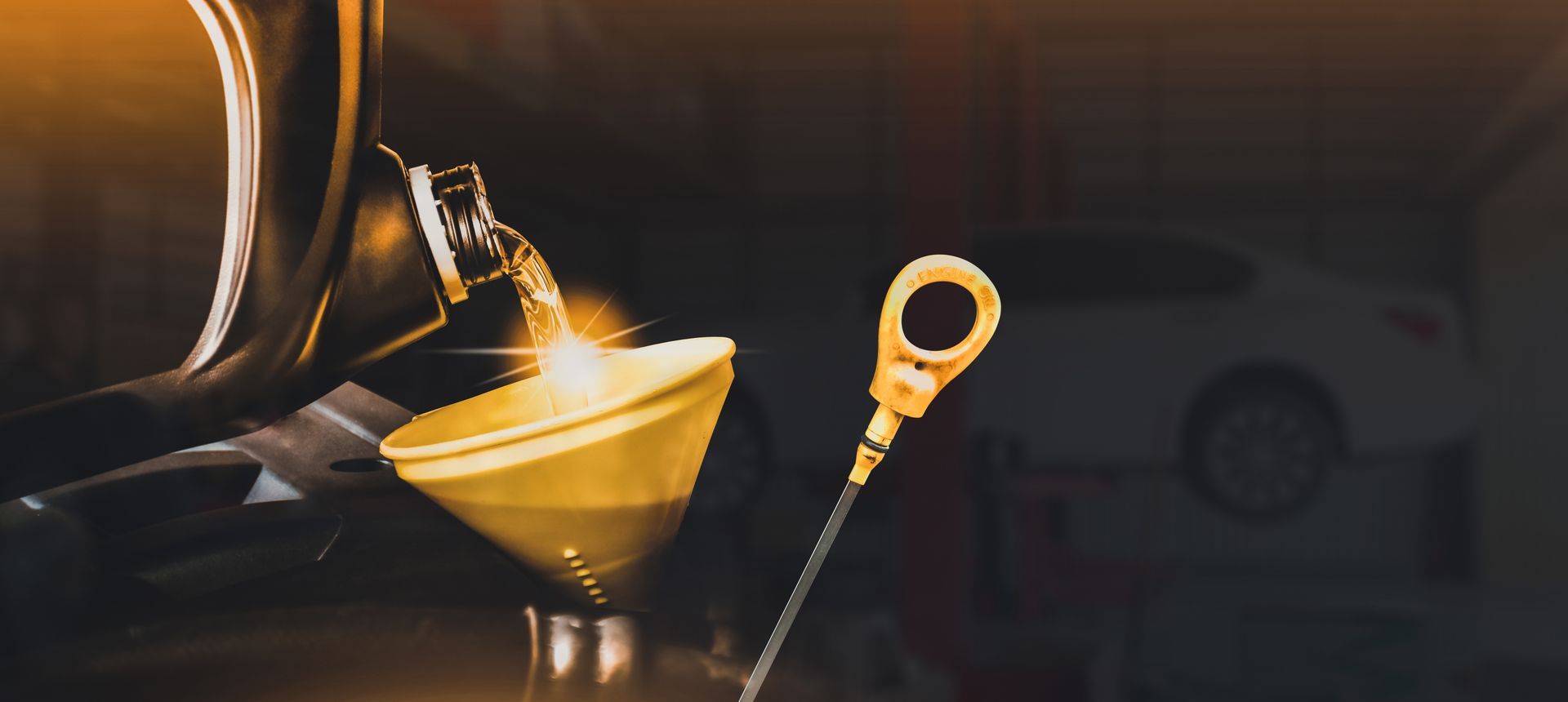
With the vehicle parked on level ground and the engine off, remove the dipstick if the engine has one. The oil should sit within the marked range. A very low level may indicate leakage, oil consumption, or poor maintenance habits. Oil far above the full mark can also be harmful and may suggest incorrect service or fuel contamination.
Used oil commonly appears brown or dark, so color alone does not prove neglect. Watch for thick sludge, metallic particles, foam, or a strong gasoline smell. Ask when the oil was last changed and compare the answer with available regular maintenance records. An engine that has repeatedly operated low on oil may have wear that is not visible during a brief visit.
Inspect The Coolant Without Opening A Hot System
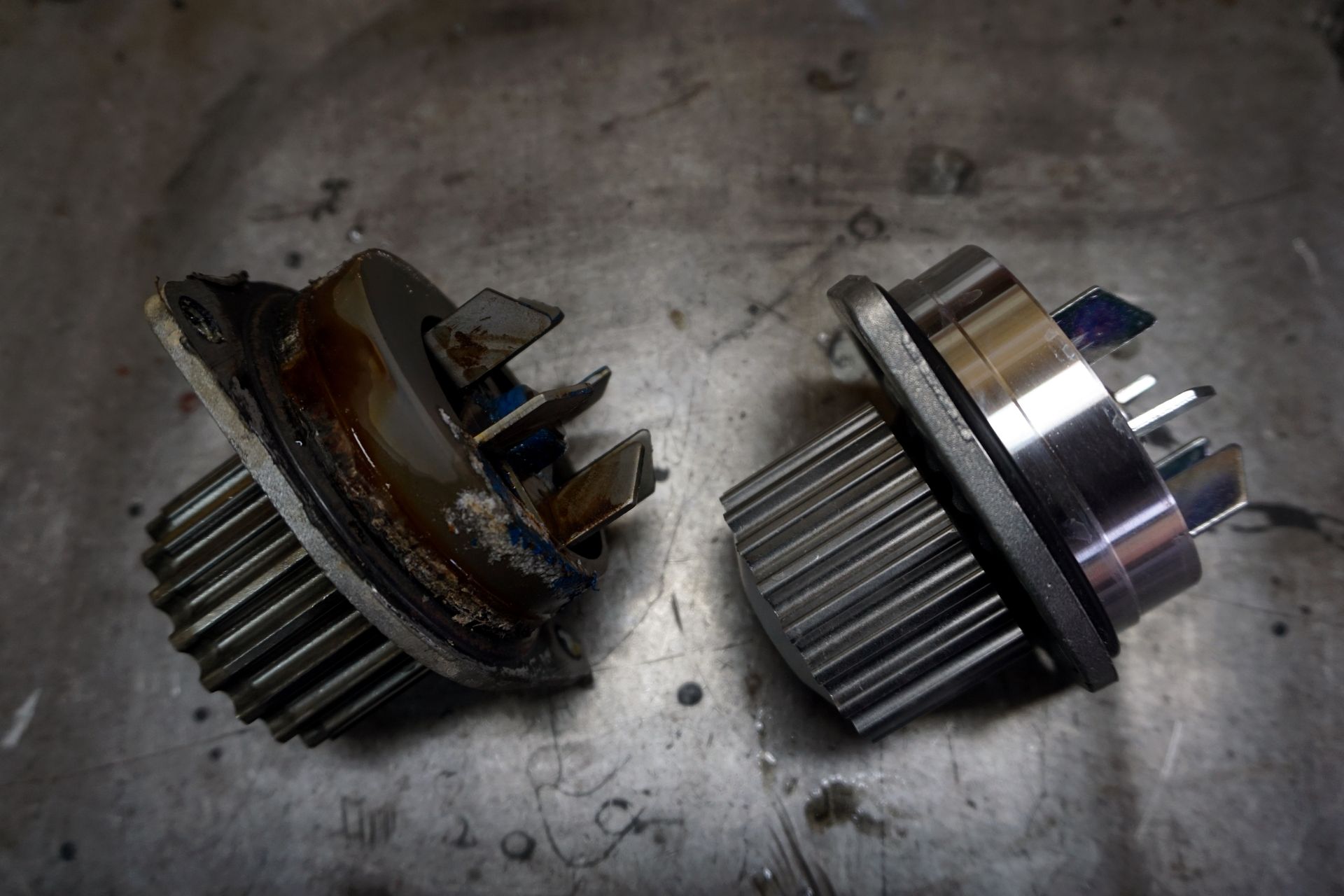
Check the coolant reservoir only when the engine is cool. The fluid should be near the indicated level and should match a type approved for the vehicle. Low coolant may point toward a leaking hose, radiator, thermostat housing, water pump, reservoir, or internal engine concern.
Look for dried residue around hose connections, radiator seams, and plastic fittings. Coolant may leave a white, green, orange, pink, or purple crust depending on the type used. Oil floating in the reservoir, thick contamination, or repeated bubbles after startup can be warning signs that require further testing. Never remove a pressurized cap from a hot engine.
Look Closely For Oil And Fluid Leaks
Use a flashlight to examine the top, front, and sides of the engine. Valve cover gaskets, oil filter housings, timing covers, power steering lines, and transmission cooler connections are common places for leaks to develop. Fresh fluid usually appears shiny and wet, while an older leak may collect dirt and form a thick coating.
A small seep does not always make a vehicle a poor purchase, but it should be identified so the repair cost can be considered. Watch for these warning signs:
- Fresh oil running down the engine
- Coolant residue near plastic housings
- Fluid collecting on protective covers
- A burning smell after the test drive
- Smoke rising from beneath the hood
- Several unrelated areas that are wet
Fluid can travel before it drips, so the lowest wet point may not be the source. A shop can raise the vehicle and trace the leak more accurately.
Examine The Belts, Hoses, And Plastic Parts
Serpentine belts should not have frayed edges, missing sections, heavy glazing, or obvious cracking. Watch the belt while the engine is running from a safe distance. Excessive movement from the tensioner or a pulley that appears to wobble can indicate wear in the belt drive.
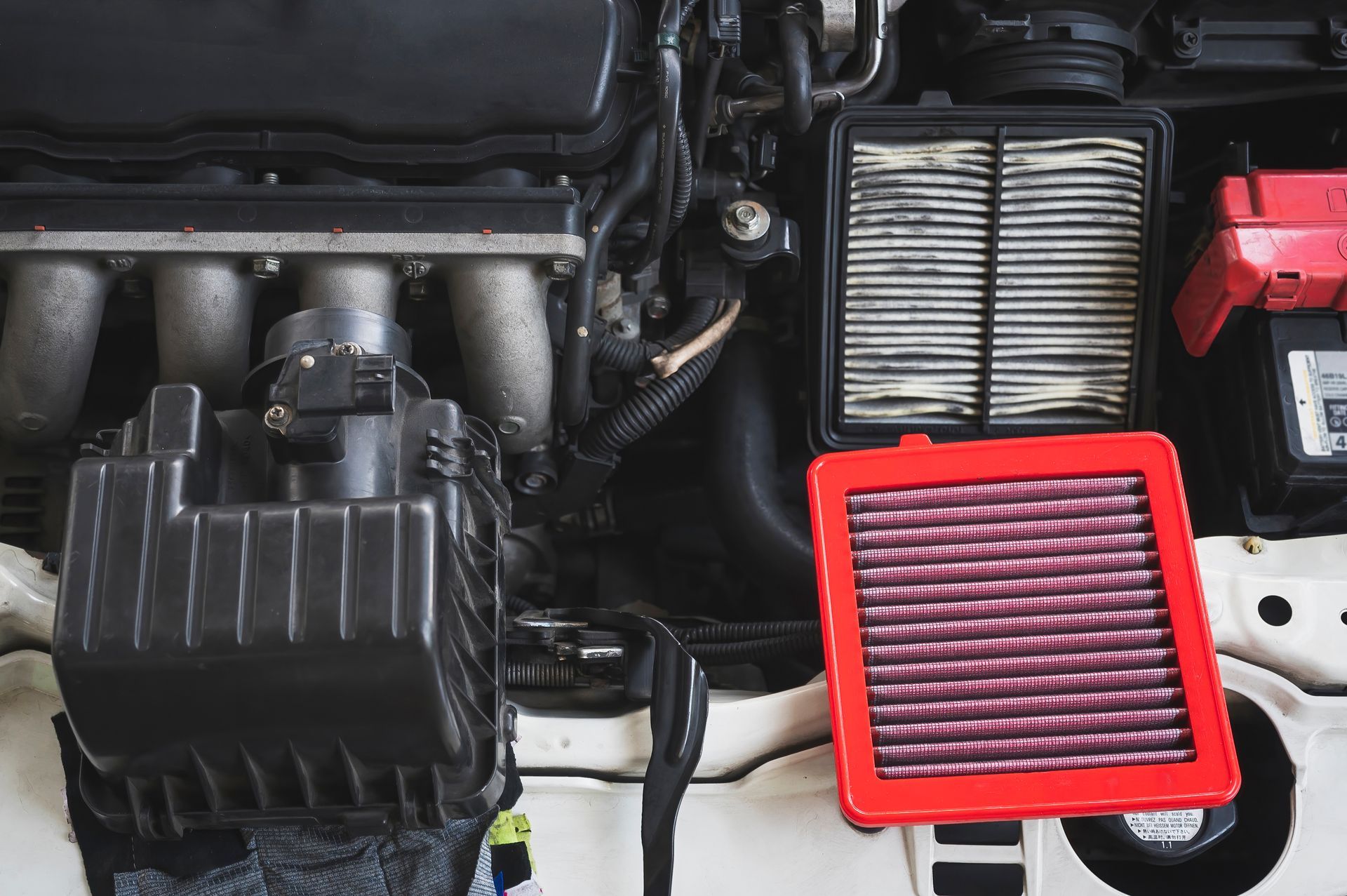
Coolant hoses should not be swollen, deeply cracked, or stained around their connections. Intake hoses should be secured without splits or improvised patches. Plastic reservoirs and fittings can become brittle with age, especially after years of engine heat. One weak connector can turn a minor coolant seep into a sudden breakdown.
Check The Battery, Terminals, And Wiring
Look at the battery label for a date code or installation date. Batteries often become less dependable as they age, even when the engine still starts normally. Corrosion around the terminals, a swollen case, leaking residue, or a loose hold-down should be addressed.
Inspect visible wiring for damaged insulation, melted sections, loose connectors, and nonfactory modifications. Poorly installed accessories can create battery drains, blown fuses, or intermittent electrical problems. Several wires joined with household connectors or wrapped heavily in tape may indicate repairs that need closer evaluation.
Listen And Watch During A Cold Start
Whenever possible, inspect the vehicle before the seller has warmed the engine. Cold starts can reveal timing chain rattles, belt squeals, exhaust leaks, delayed cranking, valve train noise, or smoke that becomes less noticeable after the engine heats up.
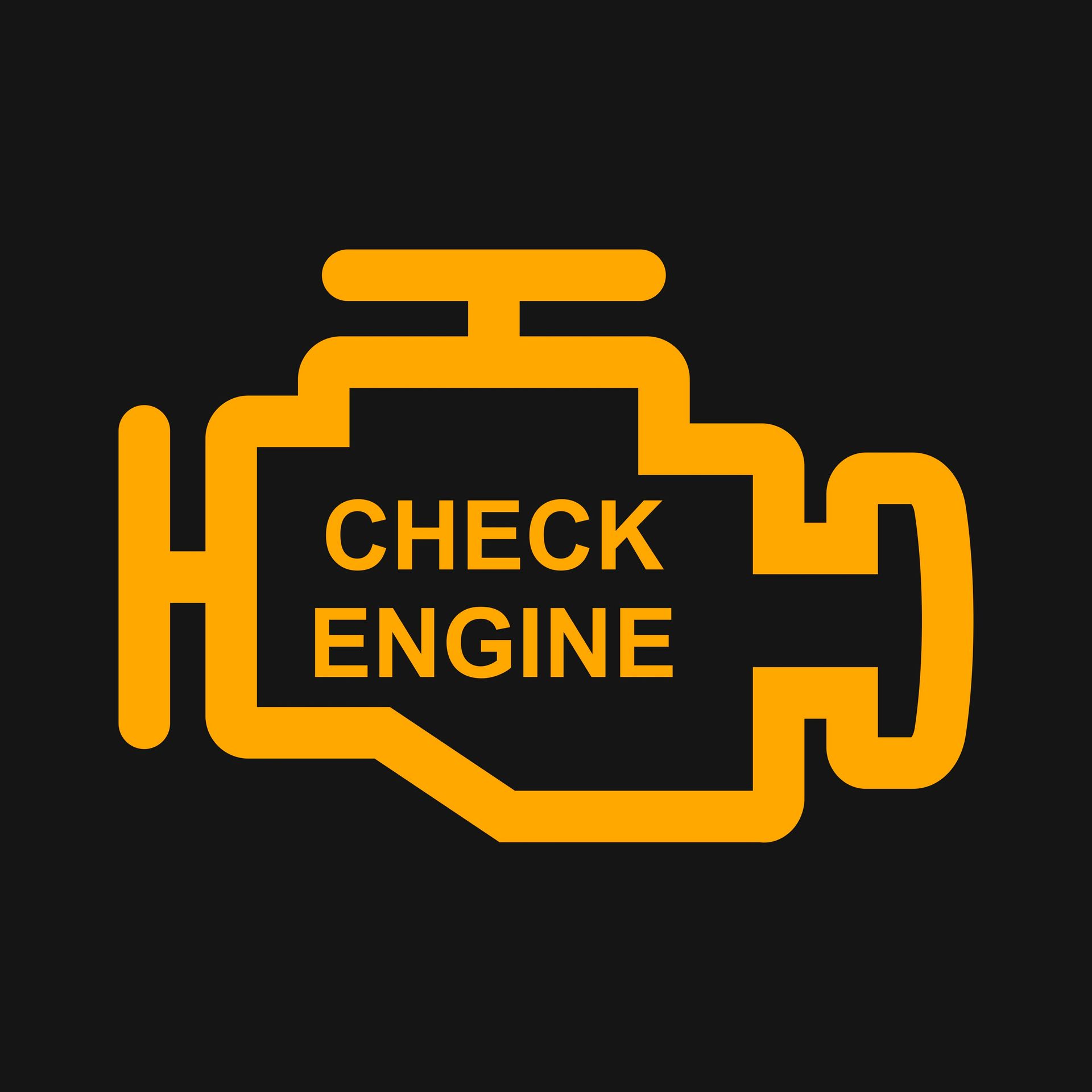
The engine should settle into a steady idle after the initial startup period. Watch for heavy shaking, repeated stalling, warning lights, or smoke from beneath the hood. A brief rise in engine speed may be normal, but loud knocking, persistent tapping, or a strong fuel smell deserves professional testing.
Know What An Under-Hood Check Cannot Confirm
A visual check can reveal useful clues, but it cannot confirm engine compression, oil pressure, cooling system integrity, sensor accuracy, or the condition inside the transmission. A clean engine bay can still hide internal wear, and an older-looking engine may remain mechanically healthy.
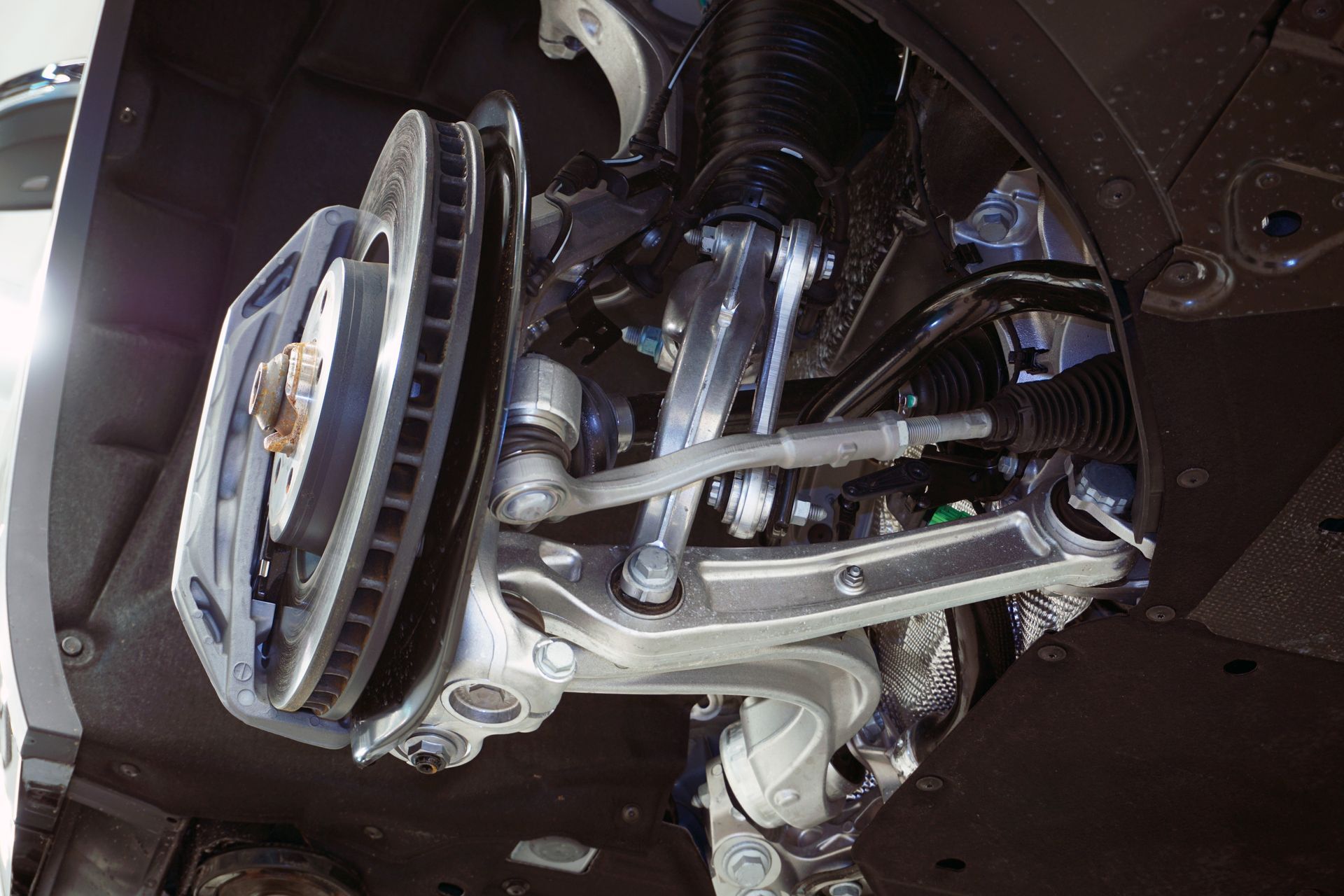
A professional evaluation can include computer scanning, fluid checks, cooling system pressure testing, battery testing, and a lift inspection. The technician can also compare what is visible beneath the hood with the vehicle’s service history and behavior during a road test.
Get A Used Car Inspection In Heath, OH, With Huber Automotive
Before buying a used vehicle, Huber Automotive in Heath, OH, can evaluate the engine, fluids, belts, hoses, battery, wiring, cooling system, and visible leak areas.