Last week the oil was near the upper mark. Today it appears above it, even though you haven't added anything. That can be more confusing than a low reading. The engine sounds the same, and there's no obvious reason the crankcase would contain more liquid than before.
Before deciding the engine has a major fault, establish whether those two readings were taken under comparable conditions. A change in parking angle or checking procedure can distort the comparison. A level that genuinely keeps rising, however, needs an explanation rather than another reading a month from now.
Repeat the Check the Way the Manual Specifies
Oil readings depend on where the car is parked, engine temperature, and how long oil has had to drain back after shutdown. Use level ground and the procedure for that engine. With a dipstick, wipe it clean, reinsert it fully, and read it again rather than relying on the first oily streak.
Electronic level displays have their own measurement requirements and sometimes cannot produce a fresh reading until those conditions are met. Don't compare a cold driveway reading with one taken immediately after a highway stop and assume the difference is new oil. Repeatable conditions come before conclusions about engine wear or contamination.
Check What Happened at the Last Service
An oil change or a recent top-off deserves a place in the timeline. The wrong fill quantity, an incomplete drain, or oil added twice can raise the level. Some engines have different capacities across versions that look similar from the outside, making the exact engine specification relevant.
If the reading was high immediately after service and stays unchanged, excess fill is one possibility. If it started within range and continues climbing without additions, the investigation shifts toward contamination. Still check a high reading promptly; simply waiting for the engine to use the excess isn't an appropriate correction.
Fuel Can Reach the Crankcase
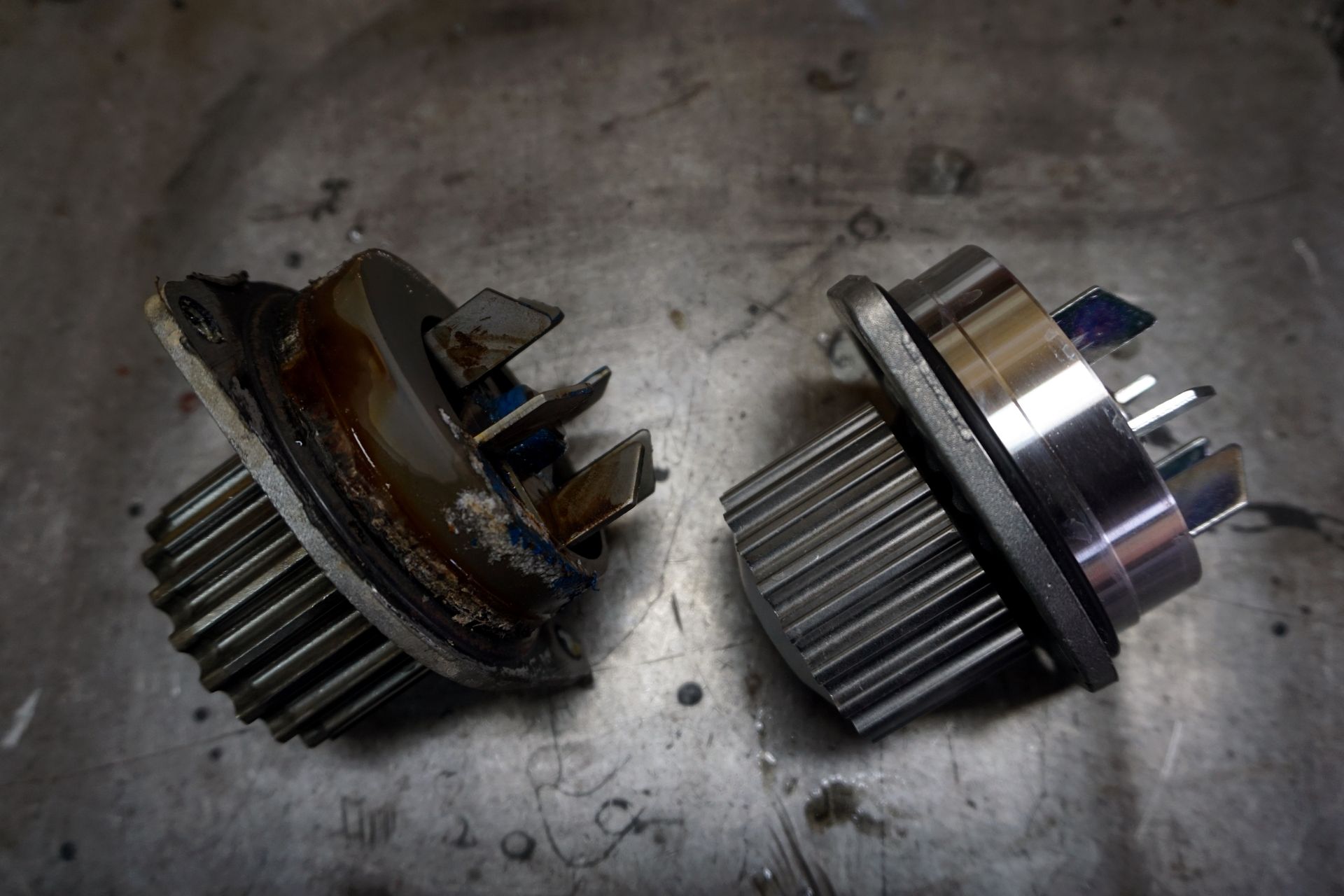
Fuel that doesn't burn as intended can pass the piston rings and mix with engine oil. A leaking injector, persistent rich operation, or repeated short trips can contribute. Certain engine designs also have fuel-pump failure paths that allow fuel into the oil. The relevant possibilities depend on the engine, not just the brand.
The dipstick might smell strongly of fuel, but odor alone doesn't measure dilution. Fuel can reduce the oil's viscosity while raising its level, leaving more liquid but less effective lubrication. A verified rise paired with difficult starting, rough running, or a new fuel smell should be investigated before the vehicle is used normally.
Coolant Is Another Possible Source
Coolant can enter the oil through an internal leak, including certain gasket, casting, or oil-cooler failures. Falling coolant level alongside rising engine oil makes that possibility more concerning. Neither observation identifies the exact failed part, so pressure testing and other targeted checks are needed before recommending internal engine work.
Milky oil throughout the crankcase is a warning, but a small creamy deposit under the filler cap alone isn't proof of a head-gasket failure. Condensation from repeated short trips can collect there. We compare the dipstick, coolant history, operating temperature, and test results instead of deciding on an engine repair based on the cap alone.
A High Oil Level Changes What Is Safe to Do
Oil above the permitted range can be churned by moving engine parts and carried into places it shouldn't go. Contaminated oil creates a separate lubrication concern even when the level isn't far above maximum. Don't take the car on a long drive to try to evaporate suspected fuel or moisture.
If the reading stays above the specified limit, contact the shop before driving further. A large increase, fuel odor, milky oil, smoke, or an oil-pressure warning means you should stop using the vehicle and arrange assistance. Removing a little liquid might correct the level temporarily, but it won't stop an injector or coolant leak from adding more.
Document the Change Before the Oil Is Drained
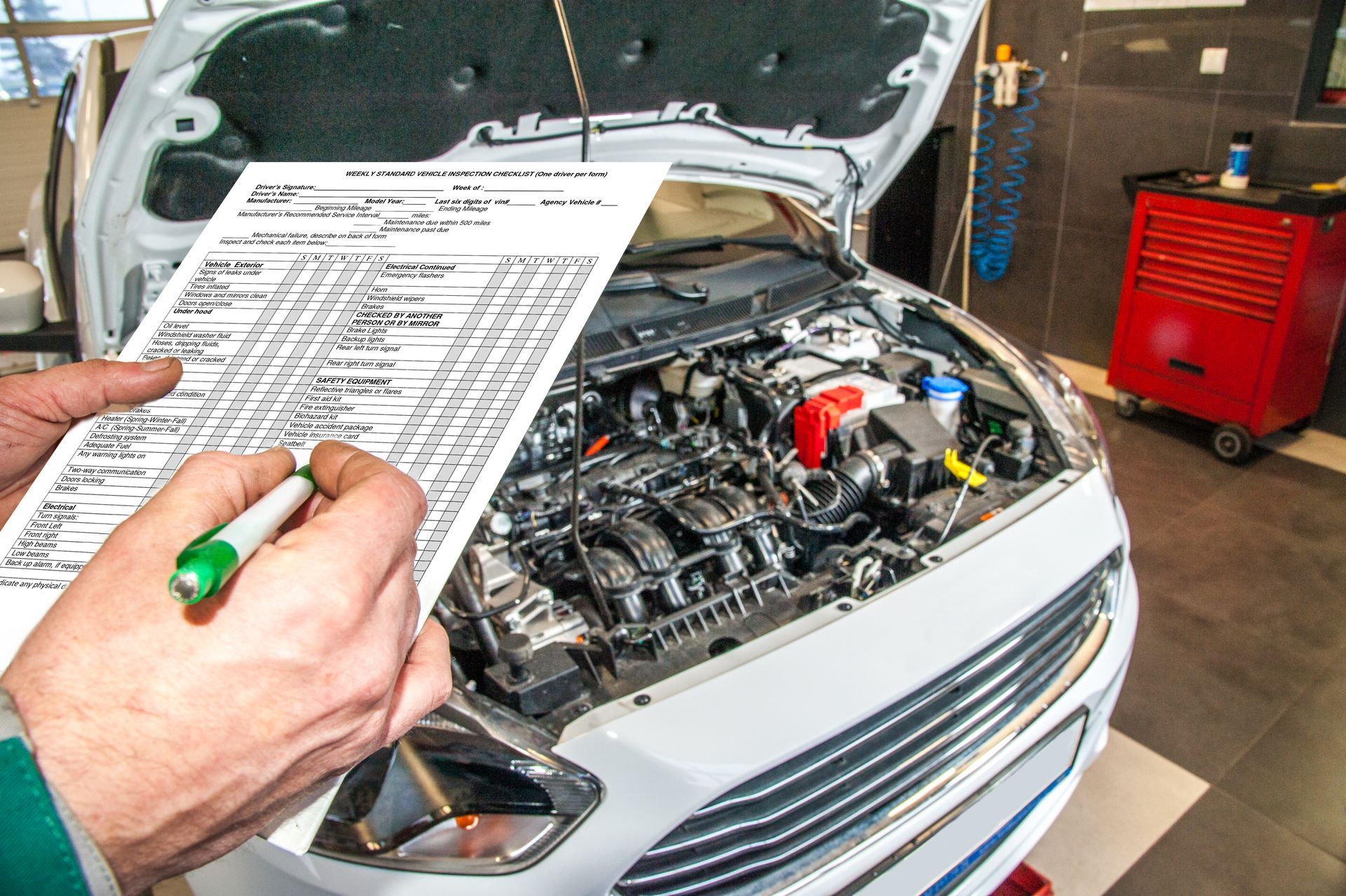
A photo of the reading, the mileage, and the date helps establish how quickly the level changed. Include the last oil service and any amount added afterward. During an inspection, a sample taken before draining can be useful when laboratory analysis is needed to distinguish fuel or coolant contamination from a filling error.
We then follow the evidence toward the fuel system, cooling system, or measurement procedure. After repair, we install the correct oil and filter as required and monitor the level under consistent conditions. Notes kept during regular maintenance provide a baseline, especially when the change began gradually rather than after a single service.
Get Rising Oil Level Diagnostics In Heath, OH, With Huber Automotive
Huber Automotive in Heath, OH, can verify the oil level and investigate whether excess fill, fuel, coolant, or a measurement issue explains the change. Mention any new smell, smoke, or coolant loss when you call.