The brake fluid was serviced, but the pedal now travels farther than it did before. You need to check that before the car goes back into normal use.
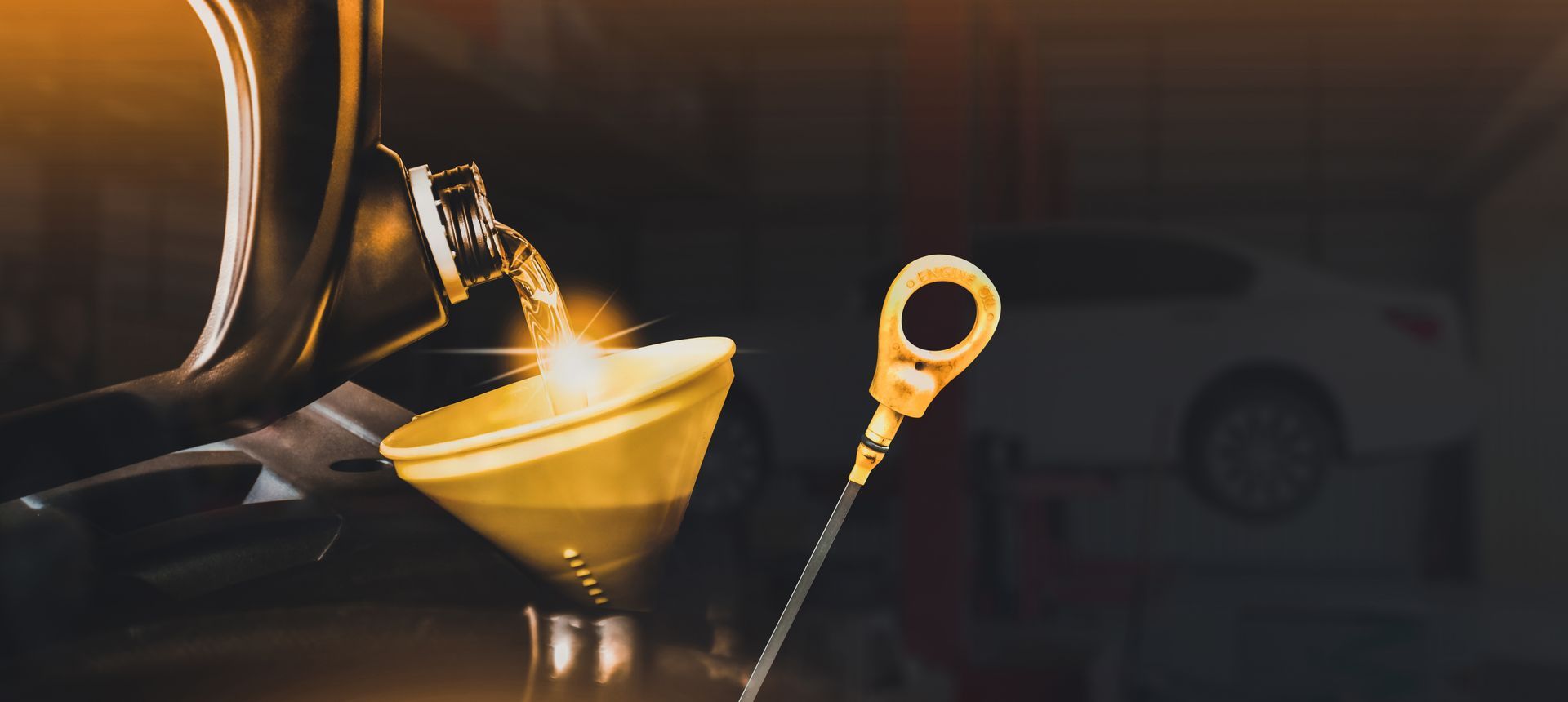
Flushing, topping off, and bleeding describe different work. A fluid change replaces aged fluid. A top-off adjusts the reservoir level. Bleeding removes trapped air. Knowing which job was done helps explain what should happen next.
Brake Fluid Top-Offs and Air in the Lines
Brake fluid carries pressure from the pedal-operated equipment to the wheel brakes. Trapped air compresses under that pressure, using pedal travel before the brakes respond as intended. The driver sometimes feels a soft or spongy pedal. Air isn't the only cause of that complaint. A leak, an internal hydraulic fault, or another brake problem needs checking when the findings point there. We'd ask when the pedal changed and inspect the recent work, then test the pressure and leakage concerns indicated by the symptom.
Usually, adding the correct fluid to a reservoir that stayed above its minimum operating level doesn't introduce air into the hydraulic passages. A sound brake circuit doesn't need bleeding simply because the cap was opened and the level adjusted. The situation changes if the reservoir ran low enough to draw air, a line or other hydraulic part was opened, or the pedal suggests trapped air after work. Those circumstances need the manufacturer's checks and bleeding procedure. Topping off afterward doesn't remove air already inside.
Find Out Why the Fluid Level Dropped
Worn pads move caliper pistons farther out, changing where some of the fluid sits. Leakage is another reason for falling levels and needs repair. Repeatedly adding fluid without checking which condition exists hides that distinction.
We'd measure pad wear and inspect the calipers, hoses, lines, and other hydraulic parts for leakage. A warning light or soft pedal changes the urgency. If braking has weakened, stop using the car and arrange transport rather than trying another top-off to reach the shop.
Brake Fluid Flushing and ABS Bleeding Procedures
During a correctly performed fluid change, fresh fluid moves through the required brake circuits, and air is kept out or removed through the prescribed method. The reservoir must remain supplied, the correct equipment and sequence must be used, and the procedure has to match the vehicle. That is why fluid visible in the reservoir doesn't confirm the job is complete. Old fluid can remain farther through the circuit if the service only replaced what was in the tank. The estimate and completed work should describe an actual fluid replacement, including the required checks afterward.
Some hydraulic units have valves and passages that require a commanded routine to move fluid or release trapped air under specific conditions. A scan tool sometimes operates those valves as part of the vehicle's bleeding procedure. Not every routine fluid change requires the full ABS procedure. The service information and whether air reached the unit determine the steps. We'd follow that procedure rather than assume the longest routine is always needed or that opening each wheel bleeder is always sufficient.
Details to Review After Brake Fluid Service
Tell us these points if the pedal changed:
- Whether the work was a top-off or a full fluid change
- If a hose, caliper, line, or master cylinder was replaced
- Whether the reservoir ran empty
- When the pedal first felt different
- Any warning light or visible leakage
- Whether pumping the pedal changes its feel
Those observations help us check what was disturbed. Don't use pedal pumping as a reason to continue driving with uncertain braking; report the behavior and arrange a safe inspection.
Brake Fluid Condition and the Correct Specification
Common glycol-based brake fluids absorb moisture during service. That lowers their boiling protection, making vapor formation a concern under high brake temperatures. Vapor is compressible and interferes with pressure delivery. A soft pedal immediately after service isn't simply old fluid. Air left during the work, leakage, and installation faults need review. The vehicle's replacement interval and specified fluid address moisture-related maintenance, while the new pedal complaint requires finding what changed.
Use the grade and approval required by the vehicle. A higher number on a bottle doesn't automatically make it the correct replacement, and silicone DOT 5 isn't interchangeable with the common glycol-based fluids just because both are labeled brake fluid. The service equipment and fluid also need protection from contamination. Oil or other incompatible material can damage seals and complicate the repair. If the wrong product was added, tell the shop exactly what it was before more driving or fluid work makes the history harder to trace.
What We Check Before Returning the Car
The pedal needs the expected response, the fluid level needs to be correct, and the repaired circuits need to hold without leakage. Required ABS routines and finishing checks should be completed before the road review.
The sequence depends on the brake design. Starting with a generic wheel order because it worked on another car risks leaving the actual procedure unfinished. We'd connect the completed service with the original complaint and any new pedal behavior.
Brake Fluid Service at Huber Automotive
Huber Automotive in Heath, OH, can review brake fluid work and check a soft pedal, falling level, or warning after service. Bring the earlier invoice and explain whether they opened or replaced any hydraulic parts.
Contact
Huber Automotive to schedule brake fluid service or to check pedal feel after a change.