A brake pedal suddenly feels softer, or a grinding sound appears during an ordinary stop. Those changes aren't something to test by driving a little farther. Some brake problems develop gradually, while others leave very little warning before stopping performance changes. Knowing the most serious signs helps you decide when the car needs an inspection and when it needs to stay parked.
1. Brake Fluid Leaks or a Pedal That Sinks
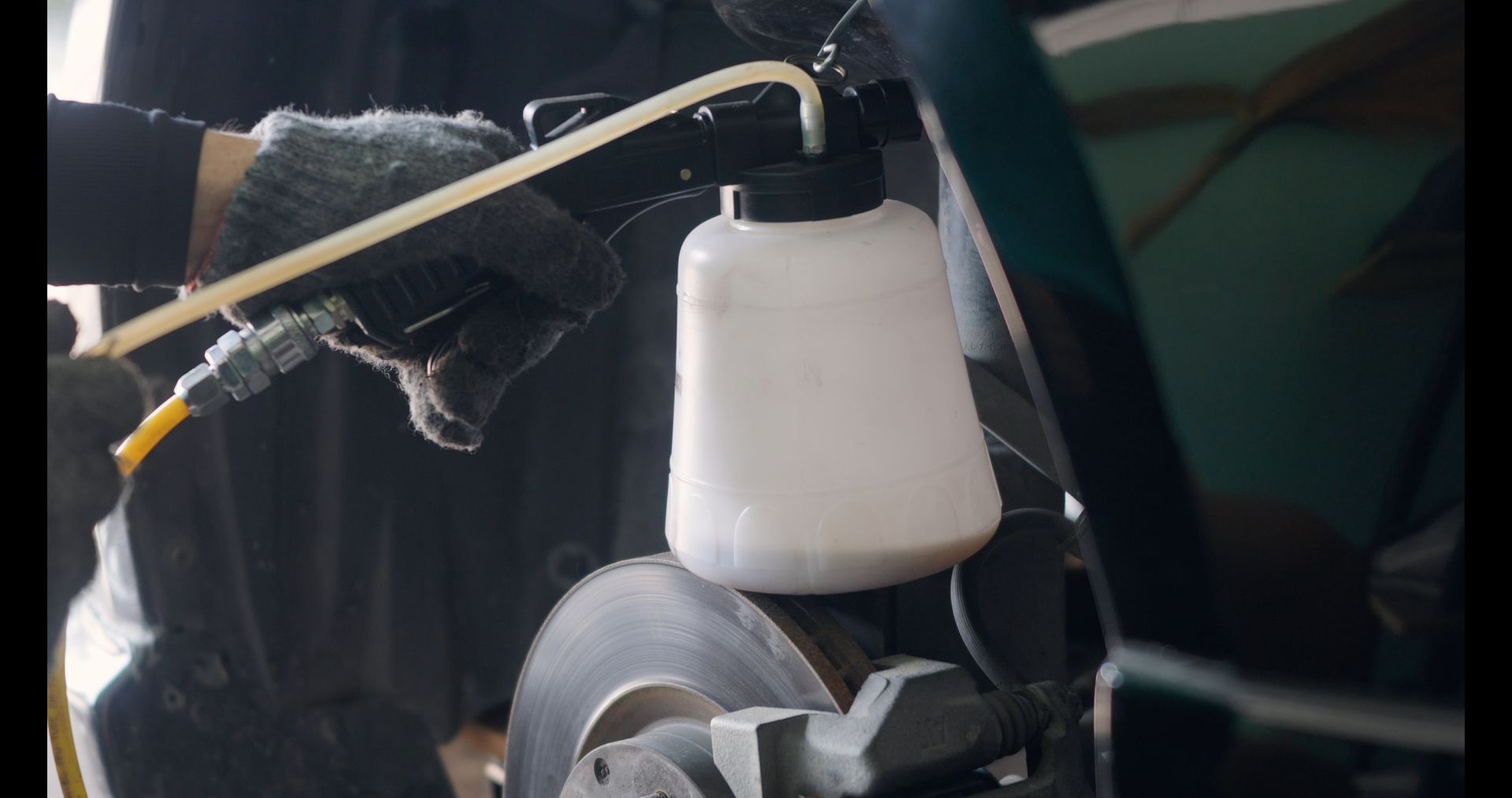
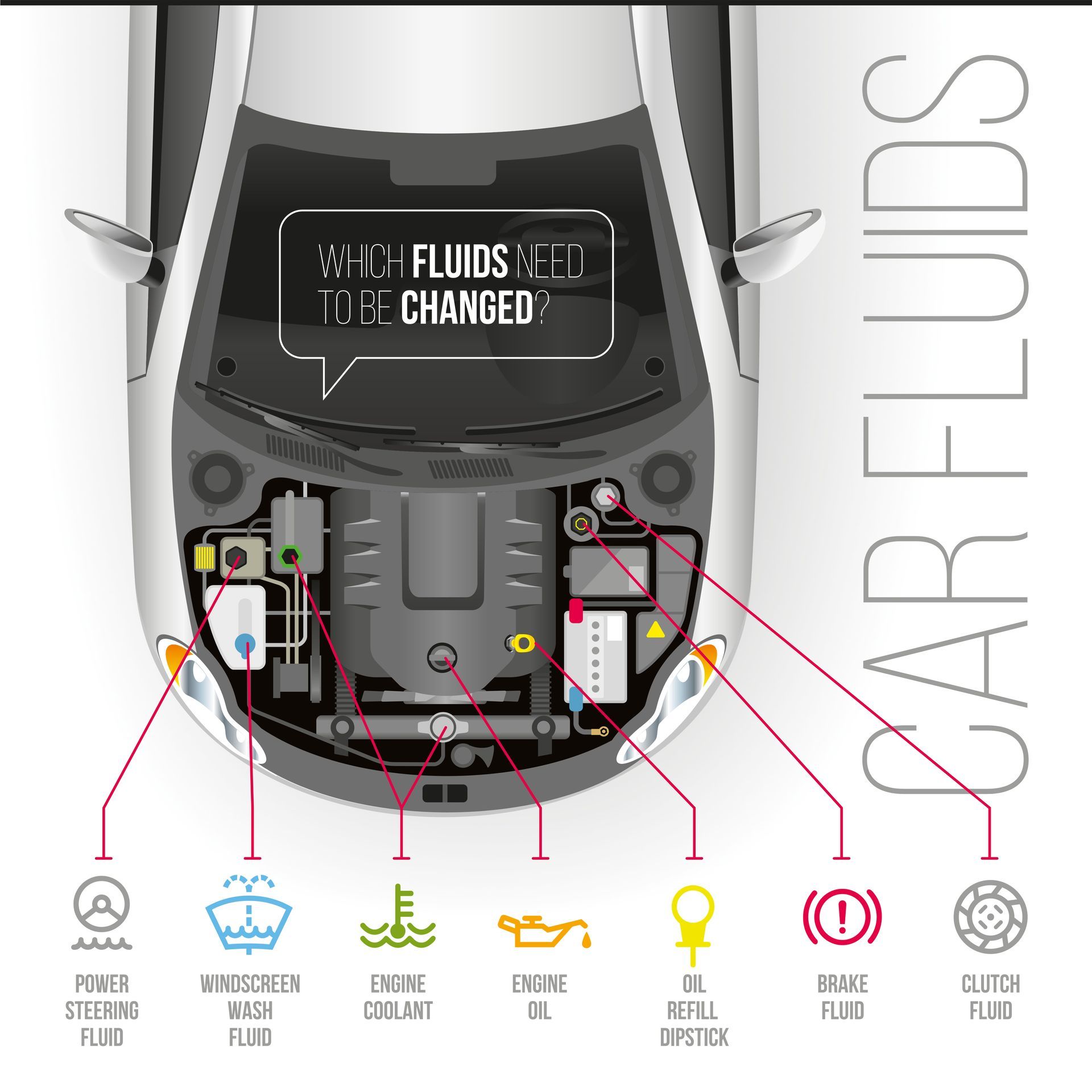
Your brakes rely on hydraulic pressure to transfer pedal force to the wheels. When a hose, steel line, caliper, wheel cylinder, or other hydraulic component leaks, the system may lose pressure. You might see fluid around a wheel or beneath the car, but hidden leaks also occur. A pedal that slowly sinks while you hold steady pressure raises concern about a hydraulic fault, including an internal master-cylinder problem.
A soft pedal can also result from air in the hydraulic system, so a leak isn't the only explanation. Either condition requires professional inspection before the next drive. If the red brake warning illuminates, the pedal travels unusually far, or the car won't slow predictably, stop safely and arrange a tow. Adding brake fluid without finding where it went doesn't restore the reliability of a damaged hydraulic circuit.
2. Grinding Brakes With Severely Worn Friction Material
Brake pads press against rotors to create the friction needed for a stop. As pad material wears away, a metal backing plate may eventually contact the rotor. That contact often produces harsh grinding, scoring, and reduced braking quality. On drum brakes, excessively worn shoes or damaged hardware create other serious problems. The noise is a warning to stop treating brake service as routine maintenance.
A grinding sound doesn't prove every pad is worn through. Road debris, damaged hardware, or a seized component can create similar noise. An inspection establishes the remaining friction material, rotor condition, and actual source. We look at both sides of the axle because uneven wear sometimes reveals a sticking caliper or slide pin. Continuing to drive until the noise gets louder risks losing consistent braking and damaging parts that were still repairable.
3. A Seized Caliper or Brake That Drags
A caliper piston or slide that fails to release leaves the pad pressed against the rotor after you lift your foot. You may feel the car pull to one side, notice a burning smell, or find that a wheel becomes abnormally hot after a short trip. Dragging brakes waste fuel and generate heat that changes the friction surfaces. A severely bound brake may make the vehicle difficult to control or move.
Heat alone doesn't identify a caliper as the cause. A restricted flexible hose, damaged parking brake mechanism, or other hardware fault also keeps a brake applied. We inspect movement and related parts after the assembly has cooled safely. Don't touch a wheel or rotor to see how hot it is, and don't pour water on an overheated brake. If the car pulls strongly or produces smoke, stop in a safe place and arrange assistance.
4. Overheated Brakes and Loss of Stopping Performance
Repeated hard braking on a long descent can raise friction temperatures enough to reduce stopping power. Depending on the system and conditions, overheated pads or shoes may lose effectiveness, while severely overheated brake fluid can contribute to a soft pedal. Drivers sometimes call this brake fade. It can appear after descending a mountain road or towing under conditions that exceed the vehicle's limits.
Don't respond by pumping the pedal aggressively or increasing speed. Slow and stop safely using the vehicle's recommended procedures and a lower gear when conditions permit. If braking ability has deteriorated, arrange assistance and have the system inspected before continuing. An inspection looks for heat damage, fluid condition, dragging components, and the factors that caused the excessive demand. Replacing pads alone won't correct a fluid or mechanical issue that contributed to the event.
5. Severe Rotor Damage or Loose Brake Hardware
A rotor with serious cracks, significant structural damage, or mounting problems cannot be treated as an ordinary wear item. Failed hardware can also allow brake components to shift unexpectedly. You may hear heavy knocking during braking, feel strong vibration, or notice uneven pedal response. Minor pedal pulsation has several less severe causes, so the symptoms need measurement and examination before anyone labels the rotor dangerous.
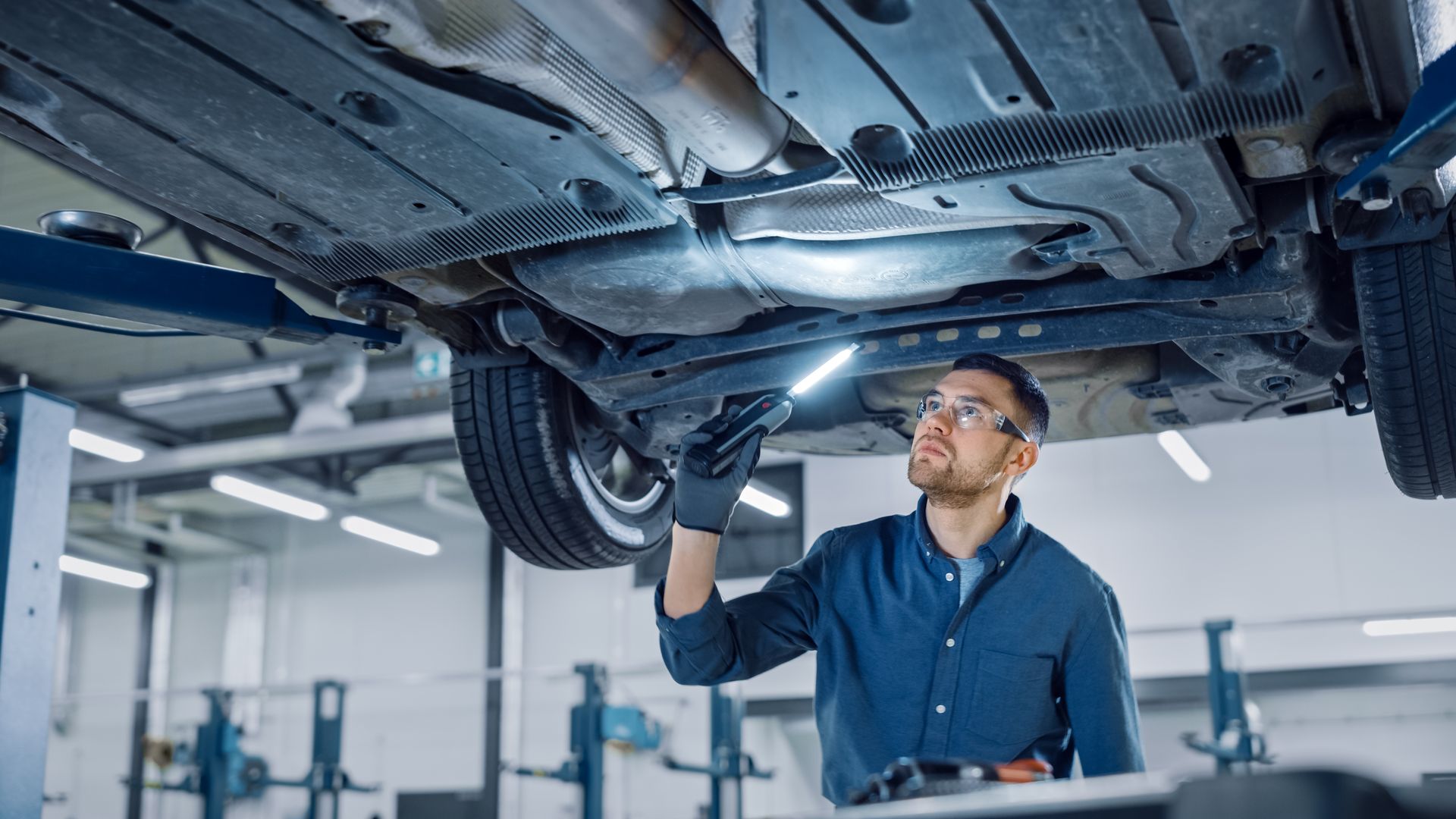
We check the rotor's condition and dimensions against manufacturer limits, inspect caliper mounts and fasteners, and evaluate nearby wheel components. A brake assembly must remain securely mounted and operate without binding. Incorrect parts or installation after previous service can produce problems that only become obvious later. If you hear heavy metallic noise or the vehicle feels unstable during braking, avoid another road test and arrange a professional inspection.
What to Do When the Brakes Feel Unsafe
Small changes warrant evaluation, but the most serious warning signs call for stopping the vehicle. A reassuring dashboard doesn't prove the mechanical brakes are healthy. Anti-lock braking and stability systems can't restore hydraulic pressure or friction material that is missing. Your brake service history helps establish what was replaced and how quickly a symptom appeared.
Report these conditions clearly:
- The brake pedal sinks or reaches unusually low
- Fresh fluid appears near a wheel or brake line
- Strong pulling begins during ordinary stops
- Grinding, smoke, or a burning odor develops
- Braking performance decreases after repeated stops
If you experience one of these severe symptoms, get to a safe location and arrange towing. For ordinary maintenance, follow the manufacturer's inspection and fluid-service guidance, including checks after repairs that disturb the hydraulic system. Once the cause is corrected, brake operation must be verified before the vehicle returns to traffic. Saving a few minutes isn't worth driving with stopping performance you can no longer trust.
Get Brake System Inspection in Heath, OH, With Huber Automotive
Huber Automotive in Heath, OH helps drivers investigate brake fluid leaks, grinding, dragging brakes, and unsafe pedal behavior. We explain the inspection findings and the recommendations supported by the vehicle's condition.